Lianyungang Hongqiao Chemical Sales Co., Ltd.About UsRoom 2304, No. 32-6 Chaoyang East Road, Haizhou District, Lianyungang City, Jiangsu ProvinceFounded in 2025 and strategically located in Lianyungang, Jiangsu Province, Lianyungang Hongqiao Chemical Sales Co., Ltd. stands as a specialized distributor of hazardous chemicals with a dedicated team of 50 professionals. Committed to upholding the highest industry standards, the company operates within a strictly regulated framework to ensure safety, compliance, and reliability in all its business activities.Lianyungang Hongqiao Chemical Sales Co., Ltd.About UsRoom 2304, No. 32-6 Chaoyang East Road, Haizhou District, Lianyungang City, Jiangsu ProvinceFounded in 2025 and strategically located in Lianyungang, Jiangsu Province, Lianyungang Hongqiao Chemical Sales Co., Ltd. stands as a specialized distributor of hazardous chemicals with a dedicated team of 50 professionals. Committed to upholding the highest industry standards, the company operates within a strictly regulated framework to ensure safety, compliance, and reliability in all its business activities.Lianyungang Hongqiao Chemical Sales Co., Ltd.Lianyungang Hongqiao Chemical Sales Co., Ltd.Lianyungang Hongqiao Chemical Sales Co., Ltd.Lianyungang Hongqiao Chemical Sales Co., Ltd.Lianyungan
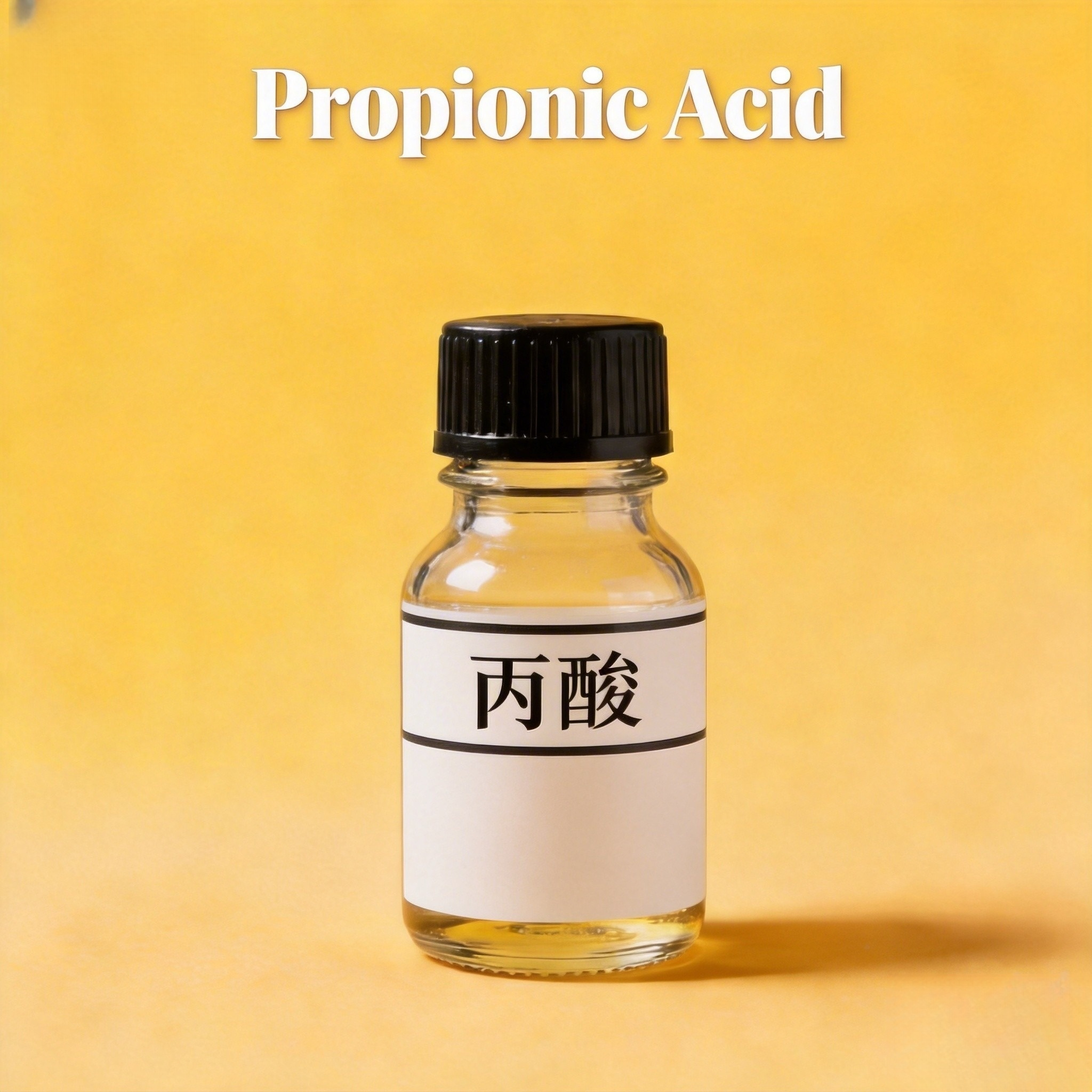
Propionic acid (CH₃CH₂COOH), also known as propanoic acid, is a three-carbon carboxylic acid with the molecular formula C₃H₆O₂. It is a colorless, oily liquid with a pungent, slightly sweet odor. As a versatile organic acid, propionic acid plays a critical role in various industries including food preservation, agriculture, pharmaceuticals, and chemical synthesis.
With a molecular weight of 74.08 g/mol and a density of 0.993 g/cm³ at 20°C, propionic acid is miscible with water, ethanol, and ether. It exhibits both acidic and antimicrobial properties, making it an ideal preservative and chemical intermediate.
2. Physical and Chemical Properties
Property
Value
Chemical Formula
CH₃CH₂COOH
Molecular Weight
74.08 g/mol
Purity
≥99.0% (industrial grade); ≥99.5% (food grade)
Appearance
Colorless liquid with pungent odor
Density
0.993 g/cm³ at 20°C
Boiling Point
141°C
Melting Point
-20.5°C
Flash Point
54°C (closed cup)
Solubility
Miscible with water, ethanol, and ether
pH Value
~2.5 (100 g/L aqueous solution)
Hazard Class
UN 3463, Class 8 (Corrosive), Class 3 (Flammable Liquid)
3. Key Chemical Characteristics
Unique Properties
Propionic acid is a naturally occurring carboxylic acid found in small amounts in dairy products. It has a pKa of 4.87, making it a stronger acid than acetic acid (pKa 4.76).
Reactivity
Acidic Properties: Exhibits typical carboxylic acid behavior, reacting with bases to form propionate salts
Esterification: Reacts with alcohols to form propionate esters
Redox Properties: Can be oxidized to carbon dioxide and water under certain conditions
Antimicrobial Properties: Inhibits mold and bacterial growth by disrupting cell membranes
Hazardous Properties
Flammability: Flammable within the range of 2.1-12% in air
Corrosiveness: Strongly corrosive to skin, eyes, and respiratory tract
Toxicity: LD50 2600 mg/kg (rat, oral)
4. Applications
Food Industry
Preservative: Used as E280 in baked goods, cheese, and packaged foods to inhibit mold and bacterial growth
Flavor Enhancer: Provides a fruity aroma in flavor formulations
Cheese Production: Naturally produced during cheese fermentation
Agriculture and Animal Feed
Silage Preservation: Improves fermentation and aerobic stability of silage
Grain Storage: Prevents fungal growth in stored grains
Animal Feed Additive: Added to feed to improve digestion and nutrient absorption
Pharmaceutical Industry
Intermediate: Used in the synthesis of vitamin B6 and other drugs
pH Regulator: Adjusts pH in pharmaceutical formulations
Topical Applications: Used in some skin treatments
Chemical Synthesis
Propionate Salts: Precursor for producing calcium propionate and sodium propionate
Herbicide Production: Intermediate for manufacturing herbicides and fungicides
Plasticizers: Used in the synthesis of cellulose esters and plasticizers
Other Applications
Leather Tanning: Used in leather processing as a pH regulator
Textile Industry: Used in dyeing processes
Fragrances: Provides a fruity note in perfumes
5. Safety and Handling
Exposure Limits
TLV-TWA: 10 ppm (ACGIH, OSHA)
IDLH: 100 ppm (NIOSH)
STEL: 20 ppm (ACGIH)
Personal Protective Equipment
Respiratory Protection: Use NIOSH-approved respirator in areas with potential exposure
Eye Protection: Wear chemical splash goggles or face shield
Skin Protection: Wear chemical-resistant gloves and protective clothing
Foot Protection: Wear safety shoes with non-slip soles
Emergency Procedures
Inhalation: Move to fresh air immediately. If breathing stops, perform CPR
Skin Contact: Remove contaminated clothing and rinse with water for at least 15 minutes
Eye Contact: Rinse eyes with water for at least 20 minutes and seek medical attention
Ingestion: Do not induce vomiting. Seek medical attention immediately

 简体中文
简体中文



![Acetic acid [content >80%]](https://5149414995685002-1773452754404-3602896.cdn.site.joinf.com/5149414995685002/xrpwwyrmH5.jpg?imageMogr2/thumbnail/500x500/strip/pad/1/color/I0ZGRkZGRg==/sharpen/100/format/webp/ignore-error/1/auto-orient)