Lianyungang Hongqiao Chemical Sales Co., Ltd.About UsRoom 2304, No. 32-6 Chaoyang East Road, Haizhou District, Lianyungang City, Jiangsu ProvinceFounded in 2025 and strategically located in Lianyungang, Jiangsu Province, Lianyungang Hongqiao Chemical Sales Co., Ltd. stands as a specialized distributor of hazardous chemicals with a dedicated team of 50 professionals. Committed to upholding the highest industry standards, the company operates within a strictly regulated framework to ensure safety, compliance, and reliability in all its business activities.Lianyungang Hongqiao Chemical Sales Co., Ltd.About UsRoom 2304, No. 32-6 Chaoyang East Road, Haizhou District, Lianyungang City, Jiangsu ProvinceFounded in 2025 and strategically located in Lianyungang, Jiangsu Province, Lianyungang Hongqiao Chemical Sales Co., Ltd. stands as a specialized distributor of hazardous chemicals with a dedicated team of 50 professionals. Committed to upholding the highest industry standards, the company operates within a strictly regulated framework to ensure safety, compliance, and reliability in all its business activities.Lianyungang Hongqiao Chemical Sales Co., Ltd.Lianyungang Hongqiao Chemical Sales Co., Ltd.Lianyungang Hongqiao Chemical Sales Co., Ltd.Lianyungang Hongqiao Chemical Sales Co., Ltd.Lianyungan
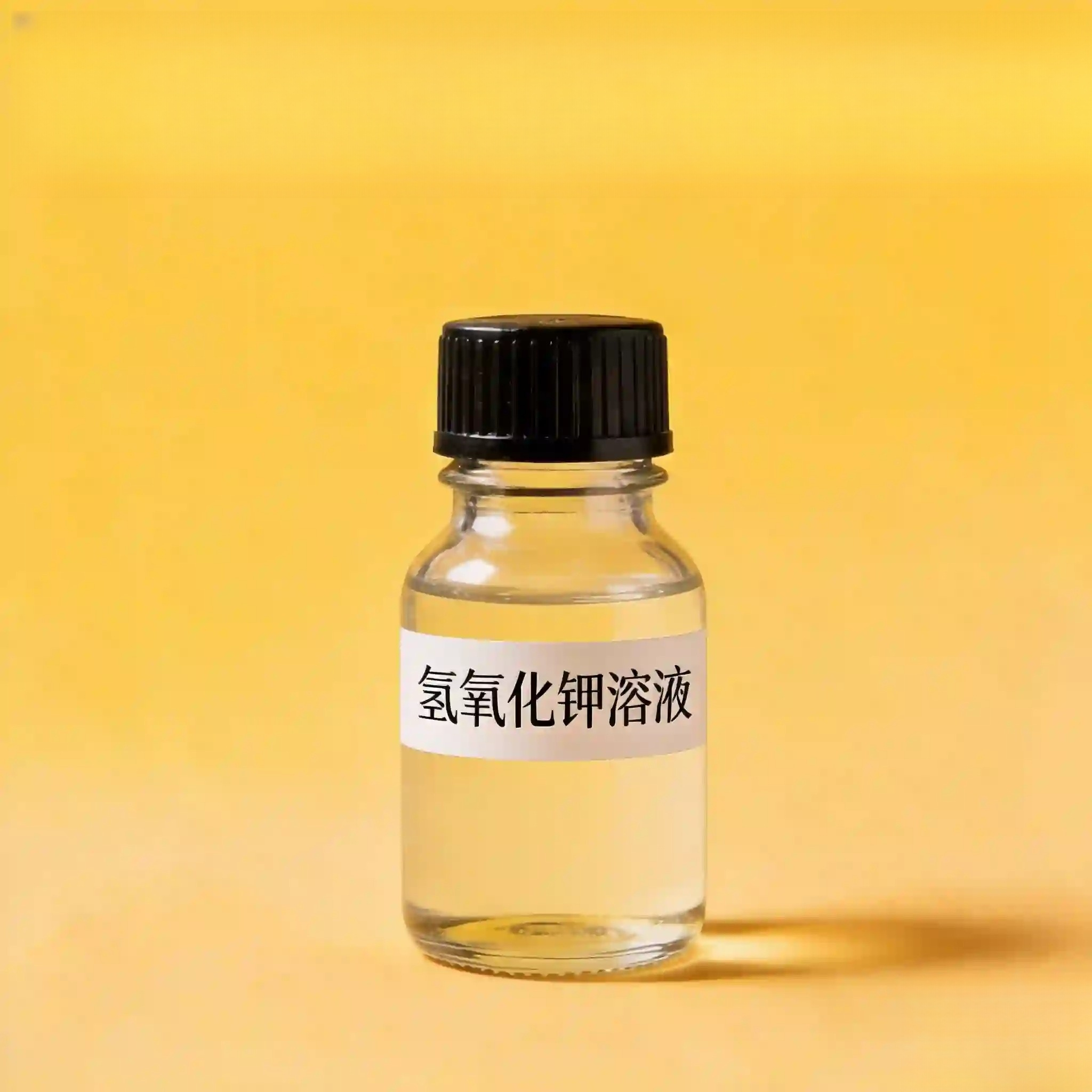
Potassium hydroxide, also known as caustic potash, is a versatile and essential chemical product with the chemical formula KOH (CAS No. 1310-58-3). It is available in both solid (flakes, pellets, or blocks) and liquid forms, with varying concentrations to suit different industrial applications. As a strong inorganic base, KOH plays a critical role in numerous chemical processes across multiple industries.
2. Chemical and Physical Properties
Property
Value
Chemical Formula
KOH
Molecular Weight
56.11 g/mol
CAS Number
1310-58-3
Appearance
White, deliquescent solid flakes or pellets; colorless to pale yellow liquid
Soap and shampoo manufacturing (saponification reaction)
Cosmetic pH adjustment
6. Safety and Handling Considerations
Hazards
Corrosive: Severe burns to skin, eyes, and respiratory tract
Exothermic Reaction: Releases significant heat when mixed with water or acids
Reactivity: Reacts with certain metals (aluminum, zinc) to produce flammable hydrogen gas
Safety Precautions
Personal Protective Equipment (PPE) : Chemical-resistant gloves, goggles, and lab coat
Ventilation: Ensure proper workplace ventilation to avoid inhaling fumes
Storage: Store in cool, dry, well-ventilated area away from acids and metal powders
Handling: Use caution to prevent splashing; avoid contact with skin and eyes
First Aid Measures
Skin Contact: Remove contaminated clothing and rinse with water for at least 15 minutes
Eye Contact: Flush eyes with water for at least 15 minutes while holding eyelids open
Inhalation: Move to fresh air; provide oxygen if breathing is difficult
Ingestion: Rinse mouth and seek medical attention immediately
7. Packaging and Transportation
Packaging Options
Solid KOH: 25 kg bags (polyethylene inner lining, woven outer bag) or 1-ton bulk bags
Liquid KOH: Tank trucks (30-35 tons) or 200 kg plastic drums
Transportation Requirements
Classified as UN 1813 (solid) and UN 1814 (liquid) hazardous materials
Must be labeled with"Corrosive Substance"warning signs
Avoid mixing with acids, oxidizing agents, or incompatible materials during transport
8. Quality Assurance
Our potassium hydroxide products meet the highest industry standards with strict quality control measures throughout the production and supply chain. We provide comprehensive documentation including Material Safety Data Sheets (MSDS), Certificates of Analysis (COA), and compliance reports to ensure product consistency and performance.
For more information or to request a quote, please contact our sales team.

 简体中文
简体中文



![Acetic acid [content >80%]](https://5149414995685002-1773452754404-3602896.cdn.site.joinf.com/5149414995685002/xrpwwyrmH5.jpg?imageMogr2/thumbnail/500x500/strip/pad/1/color/I0ZGRkZGRg==/sharpen/100/format/webp/ignore-error/1/auto-orient)