Lianyungang Hongqiao Chemical Sales Co., Ltd.About UsRoom 2304, No. 32-6 Chaoyang East Road, Haizhou District, Lianyungang City, Jiangsu ProvinceFounded in 2025 and strategically located in Lianyungang, Jiangsu Province, Lianyungang Hongqiao Chemical Sales Co., Ltd. stands as a specialized distributor of hazardous chemicals with a dedicated team of 50 professionals. Committed to upholding the highest industry standards, the company operates within a strictly regulated framework to ensure safety, compliance, and reliability in all its business activities.Lianyungang Hongqiao Chemical Sales Co., Ltd.About UsRoom 2304, No. 32-6 Chaoyang East Road, Haizhou District, Lianyungang City, Jiangsu ProvinceFounded in 2025 and strategically located in Lianyungang, Jiangsu Province, Lianyungang Hongqiao Chemical Sales Co., Ltd. stands as a specialized distributor of hazardous chemicals with a dedicated team of 50 professionals. Committed to upholding the highest industry standards, the company operates within a strictly regulated framework to ensure safety, compliance, and reliability in all its business activities.Lianyungang Hongqiao Chemical Sales Co., Ltd.Lianyungang Hongqiao Chemical Sales Co., Ltd.Lianyungang Hongqiao Chemical Sales Co., Ltd.Lianyungang Hongqiao Chemical Sales Co., Ltd.Lianyungan
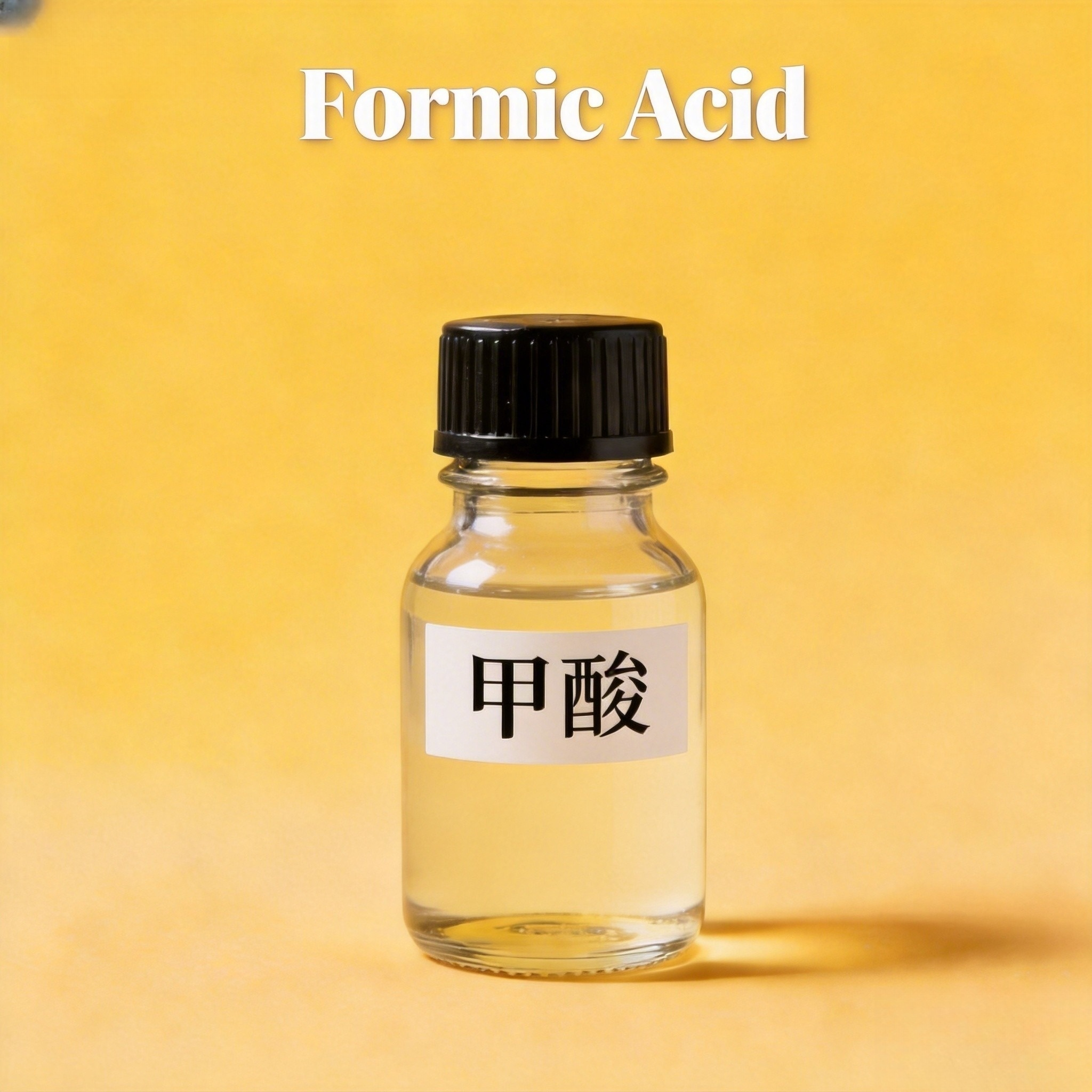
Formic acid (HCOOH), also known as methanoic acid, is the simplest carboxylic acid. It is a colorless, fuming liquid with a pungent, penetrating odor. As a versatile chemical, formic acid plays a critical role in various industries including agriculture, leather processing, textiles, and chemical synthesis.
With a molecular weight of 46.03 g/mol and a density of 1.22 g/mL at 25°C, formic acid is miscible with water, ethanol, and ether. It exhibits both acidic and reducing properties due to its unique molecular structure, which allows it to act as both a carboxylic acid and an aldehyde.
UN 1779, Class 8 (Corrosive), Class 3 (Flammable Liquid)
3. Key Chemical Characteristics
Unique Molecular Structure
Formic acid has a unique structure where a hydrogen atom is directly attached to the carboxyl group (-COOH), giving it both carboxylic acid and aldehyde properties. This allows it to act as both an acid and a reducing agent.
Reactivity
Acidic Properties: Formic acid is a stronger acid than acetic acid (pKa 3.75 vs 4.76)
Reducing Properties: Can be oxidized to carbon dioxide and water
Esterification: Reacts with alcohols to form formate esters
Decarboxylation: Decomposes to carbon monoxide and water when heated
Hazardous Properties
Flammability: Flammable within the range of 12-38% in air
Corrosiveness: Strongly corrosive to skin, eyes, and respiratory tract
Toxicity: LD50 1100 mg/kg (rat, oral)
4. Applications
Agriculture and Animal Feed
Silage Preservation: Used as a preservative to inhibit bacterial growth in silage
Animal Feed Additive: Improves feed efficiency and reduces pathogen-caused diseases in animal intestines
Pesticide Synthesis: Intermediate for producing insecticides like imidacloprid
Leather Processing
Hair Removal: Used in leather depilation processes
pH Adjustment: Controls pH levels during tanning and dyeing
Preservation: Prevents bacterial growth during storage
Textile Industry
Dyeing: Used as a mordant and pH regulator in textile dyeing
Wastewater Treatment: Neutralizes excess NaOH from manufacturing processes
Finishing: Improves fabric texture and color fastness
Rubber Industry
Latex Coagulation: Traditional use for coagulating natural rubber latex
Vulcanization: Used in rubber vulcanization processes
Chemical Synthesis
Formate Salts: Precursor for producing potassium formate and cesium formate
Pharmaceuticals: Intermediate for manufacturing vitamin B1 and other drugs
Solvents: Used as a solvent in various chemical reactions
Energy Storage
Hydrogen Carrier: Research is ongoing into using formic acid as a hydrogen storage medium
Fuel Cells: Direct formic acid fuel cells show promise for portable power applications
5. Safety and Handling
Exposure Limits
TLV-TWA: 5 ppm (ACGIH, OSHA)
IDLH: 100 ppm (NIOSH)
STEL: 10 ppm (ACGIH)
Personal Protective Equipment
Respiratory Protection: Use NIOSH-approved respirator in areas with potential exposure
Eye Protection: Wear chemical splash goggles or face shield
Skin Protection: Wear chemical-resistant gloves and protective clothing
Foot Protection: Wear safety shoes with non-slip soles
Emergency Procedures
Inhalation: Move to fresh air immediately. If breathing stops, perform CPR
Skin Contact: Remove contaminated clothing and rinse with water for at least 15 minutes
Eye Contact: Rinse eyes with water for at least 20 minutes and seek medical attention
Ingestion: Do not induce vomiting. Seek medical attention immediately
6. Quality Standards
Industrial Grade (GB/T 2093-2011)
Formic Acid Content: ≥85.0% (一等品), ≥80.0% (合格品)
Acetic Acid Content: ≤0.5% (一等品), ≤1.0% (合格品)
Iron Content: ≤0.001% (一等品), ≤0.005% (合格品)
Electronic Grade
Purity: ≥99.999%
Impurity Levels: Total impurities ≤0.1 ppmv
7. Packaging and Storage
Packaging Options
Plastic Drums: 25kg, 200kg, 240kg
IBC Containers: 1000kg, 1200kg
Bulk Tankers: For large volume shipments
Storage Conditions
Store in a cool, well-ventilated area away from heat sources
Maintain storage temperature between 15-25°C
Keep containers tightly sealed to prevent evaporation
Separate from strong oxidizers, bases, and food products
8. Transportation
Hazard Class: 8 (Corrosive) with subsidiary risk 3 (Flammable Liquid)
UN Number: 1779
Packing Group: II
Special Precautions: Ensure proper labeling and documentation for transport
9. Environmental Impact
Biodegradability
Formic acid is readily biodegradable in aquatic environments
Does not bioaccumulate in living organisms
Air Quality
Contributes to acid rain when released into the atmosphere
Can react with hydroxyl radicals in the atmosphere
Water Quality
Low concentrations are not harmful to aquatic life
High concentrations can cause pH changes in water bodies
10. Quality Assurance
Our formic acid products are manufactured to meet the highest quality standards:
Stringent Quality Control: Multiple testing stages throughout production
Traceability: Complete batch tracking and documentation
Compliance: Meets international standards and regulatory requirements
Technical Support: Professional team available for product application guidance

 简体中文
简体中文



![Acetic acid [content >80%]](https://5149414995685002-1773452754404-3602896.cdn.site.joinf.com/5149414995685002/xrpwwyrmH5.jpg?imageMogr2/thumbnail/500x500/strip/pad/1/color/I0ZGRkZGRg==/sharpen/100/format/webp/ignore-error/1/auto-orient)